I am thrilled to introduce an innovative treatment modality designed to support neuroplasticity in children's developing brains—helping them build new neural connections, adapt, and truly thrive!
This advanced neuromodulation therapy is a safe, non-invasive, and drug-free approach that utilizes gentle, micro-electrical currents to guide specific brain regions toward more balanced and efficient patterns.
Think of the brain as a complex communication network of billions of tiny wires (neurons) constantly talking to one another. Sometimes, this network can fall out of sync. Due to factors like early injury, immune stress, or environmental challenges, certain areas of the brain may become overactive, underactive, or simply fail to communicate effectively. When these signals are too weak or too intense, children often struggle with focus, executive function, learning, memory, or sensory processing.
Neuromodulation gently adjusts how these brain cells communicate—much like fine-tuning a radio volume dial or stabilizing a connection—so different regions can work together harmoniously. By gently targeting specific neural pathways, this therapy helps calm overactive circuits and strengthen weaker connections.
This targeted support can be life-changing for children navigating neurodevelopmental differences and complex health challenges, including ADHD, Autism Spectrum Disorder, learning difficulties, ME/CFS, and related neurological conditions. Our goal is to minimize daily challenges, reduce symptoms, and unlock your child's full potential for long-term health and well-being.
To understand how Transcranial Direct Current Stimulation (tDCS) helps, it helps to look at how our brains communicate.
Our brains thrive in a state of optimal neural balance—meaning brain networks are neither too quiet nor too chaotic. When a child's brain achieves this balanced network state, they can process information smoothly, regulate emotions, and focus easily.
We utilize the advanced Newronika HDCstim, a specialized, programmable brain stimulation system for home use engineered to gently guide the brain back towards this ideal balance.
Each child is given a customized 8 week treatment plan under the supervision of a licensed physician who is trained in this modality.
This includes:
- a comprehensive neurological exam and evaluation done by Dr. Ruiz
- a one hour in person visit per week with the clinic's assistant
- in depth training on how to use the device and help with training and basic questions including desensitization
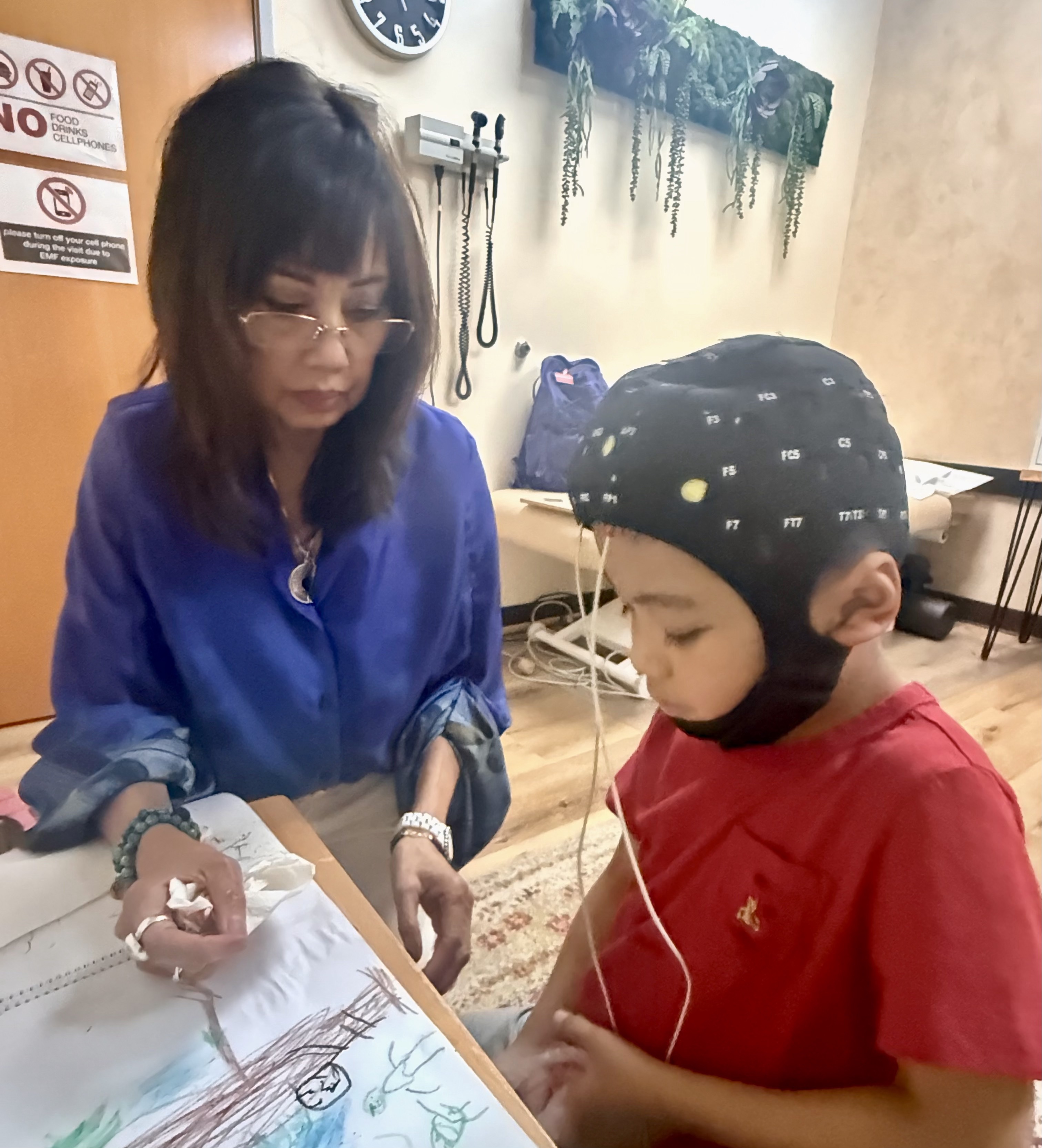
During a treatment, electrodes are placed on specific areas of the scalp held in place by a soft cap. Gentle electrical currents are delivered from the device for a prescribed amount of time. These currents gently influence the brain’s electrical activity and help “rewire” the brain’s network creating an environment conducive to enhanced learning, mood regulation, and cognitive improvements.
In addition to the weekly visits, the patient is required to spend at least 10-20 minutes a day, 4 days a week at home which is a total of 5 sessions per week according to the physician guided treatment protocol.
Patients with chronic conditions such Autism Spectrum Disorder, PANS/PANDAS, etc. may require additional treatment beyond the eighth week.
You will own the the medical device which is not available in the USA, the cap, cables, sponges and contact gel . A payment plan is available. Please contact the office for pricing.
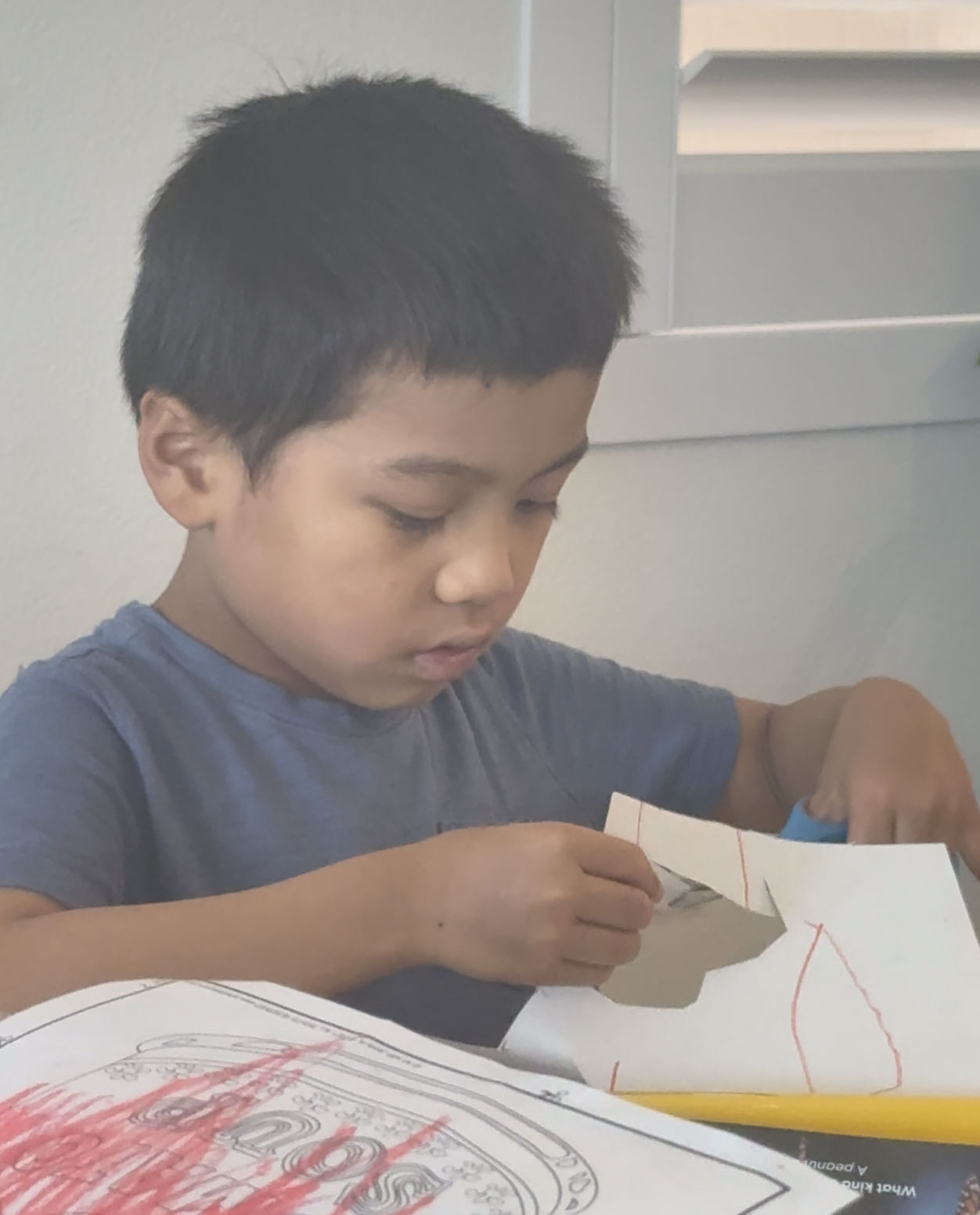
At three years old, William was diagnosed with nonverbal autism and cognitive delays. After addressing the underlying factors affecting his health—including immune dysfunction, infection, and environmental toxicity—William began developing simple one to three word phrases.
Neuromodulation became the catalyst for a remarkable new chapter in his development at six years old. William progressed to complex receptive and expressive language, while also developing stronger coping and self-regulation skills and a more balanced ability to process sensory stimuli.
Today, his progress continues to be a testament to the possibilities that can emerge when the underlying factors are addressed and the brain is given new opportunities to develop and connect.


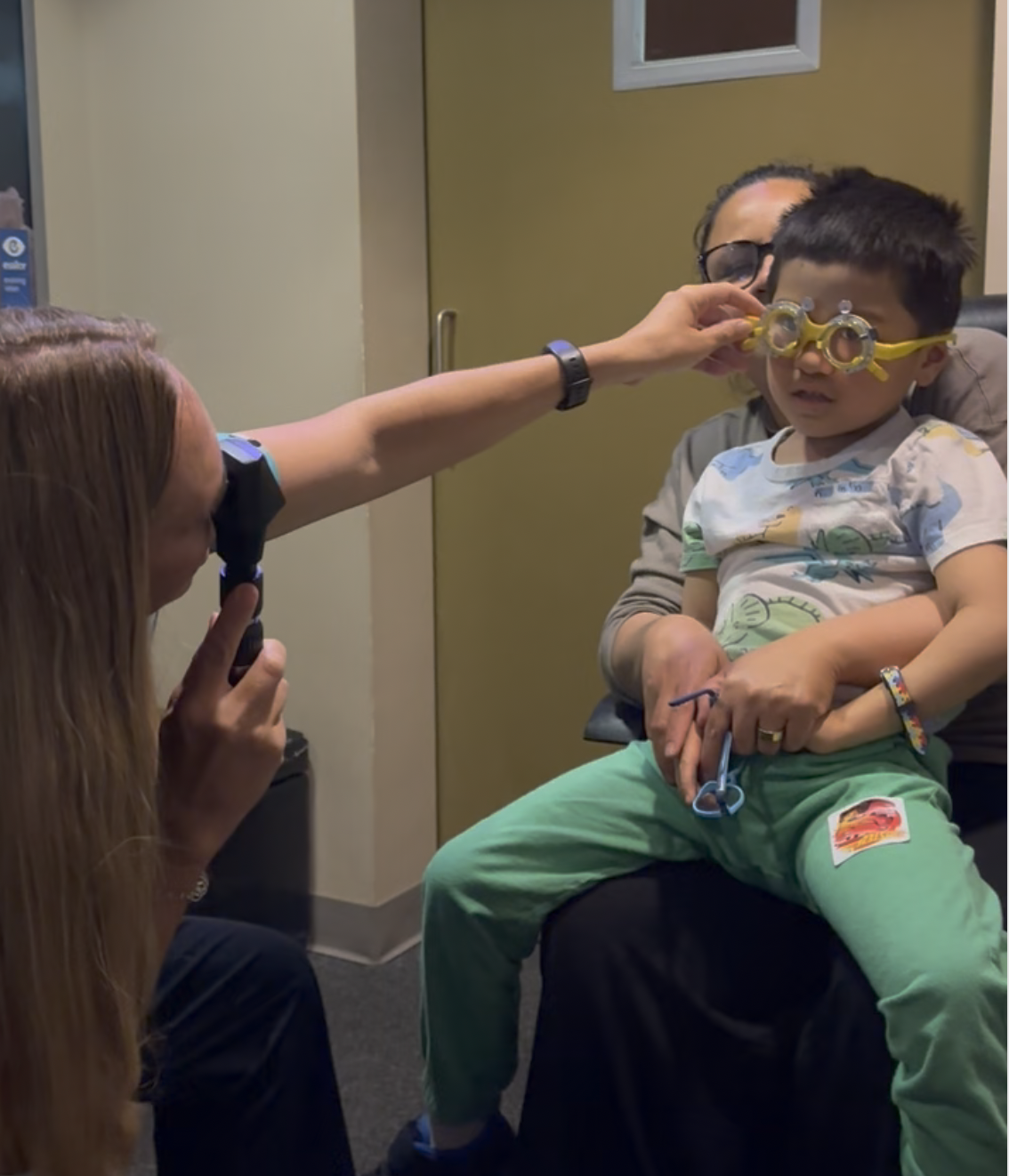
At The Wellness Center for Integrative Pediatrics, your child’s safety, comfort, and well-being are our highest priorities. Transcranial Direct Current Stimulation (tDCS) is backed by decades of extensive academic, clinical, and institutional research demonstrating an excellent safety profile with an exceptionally low risk of mild, temporary side effects (such as a slight tingling or mild redness at the electrode site).
Clinical Status & Approvals
While tDCS technology has been rigorously studied and utilized worldwide for decades, the FDA currently classifies these systems as investigational. Therefore, tDCS is not yet FDA-approved as a frontline medical device for pediatric neurodevelopmental conditions, and the therapy is not covered by health insurance.
It is important to note that while the regulatory timeline for widespread clearance is still progressing in the United States, tDCS is not considered an experimental technology globally. The underlying science is recognized and utilized by medical professionals across much of the world—including Austria, Germany, Spain, Switzerland, Cyprus, Qatar, Greece, Egypt, and Turkey—where it is integrated into clinical settings to support neurological and cognitive health.
Our Integrative Approach
We offer tDCS as an advanced, non-invasive complementary wellness modality. It is designed to run safely alongside your child’s current medical care plan, speech therapy, occupational therapy, or behavioral interventions. Because every child's neuro-structural landscape is entirely unique, our protocols are highly customized to support their specific developmental journey.
In summary, the brain is an interconnected network. Neuromodulation offers a gentle, targeted pathway to optimize, balance, and harmonize how that network communicates—giving your child the foundation they need to thrive.